
Is Your Child Struggling With Reading? Here are Signs to Look for and How to Get Help Today
- Ruth Green
- Jan 2
- 3 min read

Reading is a crucial skill that shapes a child’s learning and confidence. When a child struggles with reading, it can affect their progress in school and their self-esteem. Parents often sense something is wrong but may not know exactly what signs to watch for or how to help. This guide breaks down the key signs your child might be struggling with reading by grade level, and offers practical steps to get the support they need.

Signs Your Child May Be Struggling With Reading in Early Grades (1–2)
In the first two years of school, children learn the basics of reading. If your child is having trouble at this stage, you might notice:
Difficulty recognizing letters and sounds
They may confuse letters like “b” and “d” or struggle to connect letters to their sounds.
Slow or hesitant reading
Reading aloud might be slow, with frequent pauses or guessing words instead of sounding them out.
Trouble with simple words
Words like “cat,” “dog,” or “run” may be hard to read or remember.
Avoidance of reading activities
Your child might resist reading or become frustrated easily.
If these signs appear, it’s important to act early. Early intervention can prevent bigger challenges later. Think Like A Teacher offers a free early intervention evaluation.
What to Watch for in Grades 3 and 4
By grades 3 and 4, children move from learning to read to reading to learn. They need to read fluently and understand what they read. Signs of struggle include:
Slow reading speed
Your child may still read word-by-word instead of smoothly.
Poor comprehension
They might have trouble answering questions about a story or remembering details.
Difficulty with new vocabulary
Learning new words and their meanings can be a challenge.
Problems with spelling and writing
Struggles with reading often show up in writing, such as misspelled words or incomplete sentences.
At this stage, reading difficulties can affect all subjects. Support from a reading specialist or tutor can make a big difference.
Recognizing Reading Struggles in Grades 5 and 6
Older children are expected to read more complex texts and use reading to learn new concepts. Warning signs include:
Avoiding reading assignments
They may complain about reading or try to skip it.
Misunderstanding instructions or questions
Difficulty following written directions can affect homework and tests.
Trouble summarizing or explaining what they read
Your child might not be able to tell you what a passage was about.
Low confidence in reading aloud
They may hesitate or read quietly to avoid attention.
At this point, reading struggles can impact academic success and motivation. Getting help can improve skills and rebuild confidence.
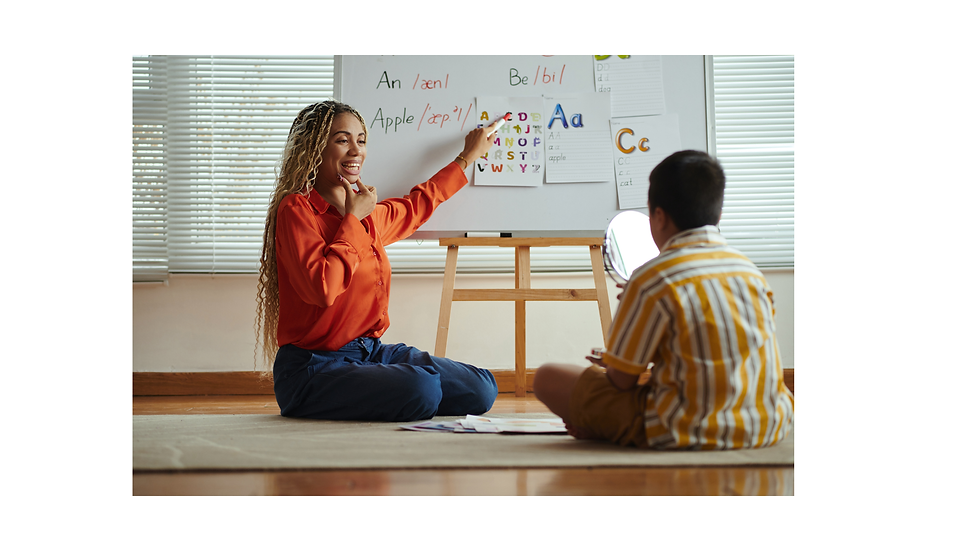
How to Support Your Child If You Notice These Signs
If you recognize any of these signs, here are steps you can take:
Talk with your child’s teacher
Teachers can provide insights and suggest resources or assessments.
Schedule a reading assessment
A professional evaluation can identify specific areas of difficulty.
Create a reading-friendly environment at home
Set aside daily time for reading, choose books your child enjoys, and read together.
Use targeted reading programs or tutoring
Programs designed for struggling readers focus on phonics, fluency, and comprehension.
Encourage patience and celebrate progress
Reading skills improve with practice and support. Praise effort, not just results.
When to Seek Professional Help
If your child’s reading struggles persist despite support, consider consulting a reading specialist or educational therapist. Early diagnosis of conditions like dyslexia or other learning differences can lead to effective strategies tailored to your child’s needs.
Think Like A Teacher LLC offers free consultations to discuss your concerns and recommend next steps. Taking this step can open doors to the right help and resources. www.thinklikeateachers.net


Comments