
Unlocking Your Child's Potential Through Understanding Learning Styles
- Ruth Green
- Jan 12
- 3 min read

Every parent wants to help their child succeed in school and beyond. Yet, many struggle to find the right approach to support their child’s learning. One common idea parents hear about is learning styles. Most have heard the term, but few understand how to use it effectively. Learning styles are not about putting children in boxes or labeling them. Instead, they are tools to design instruction that truly fits how a child processes information. When you grasp this, you can create lessons that stick, projects that show real understanding, and activities that reduce frustration and wasted time.
This post will explain how learning styles work in real teaching, how to use them correctly, and how this knowledge can unlock your child’s potential.
What Learning Styles Really Mean
Learning styles describe the ways individuals prefer to take in and process information. They are not fixed labels but guides for how to tailor teaching methods. Understanding your child’s learning style helps you plan lessons that match their natural way of learning, making education more effective and enjoyable.
The three most common learning styles are:
Visual
Auditory (or Verbal)
Kinesthetic
Each style represents a different way of engaging with information. Knowing which style fits your child best allows you to design instruction that feels natural and clear.
Visual Learners: Learning Through Seeing
Visual learners absorb information best when it is presented through images, diagrams, charts, or written words. They think in pictures and often remember details better when they see them.
How to Support Visual Learners
Use visual examples before explaining concepts verbally. For example, show a diagram of the water cycle before describing it.
Provide graphic organizers like mind maps or flowcharts to help organize ideas.
Pair written directions with demonstrations. For instance, give step-by-step instructions on paper while showing how to complete a science experiment.
Example
If your child is learning about fractions, use pie charts or colored blocks to represent parts of a whole. This visual representation helps them understand the concept more clearly than just hearing or reading about it.
Auditory Learners: Learning Through Listening and Speaking
Auditory learners process information best through listening and verbal interaction. They benefit from hearing explanations and talking through ideas.
How to Support Auditory Learners
Give clear verbal instructions and repeat key points.
Encourage discussion-based lessons where your child can ask questions and explain their thinking.
Use talking through steps aloud, such as narrating the process of solving a math problem.
Example
When studying history, have your child listen to stories or podcasts about historical events. Then, discuss the material together to deepen understanding.
Kinesthetic Learners: Learning Through Movement and Doing
Kinesthetic learners understand best when they can move, touch, and engage physically with the material. They learn by doing rather than just watching or listening.
How to Support Kinesthetic Learners
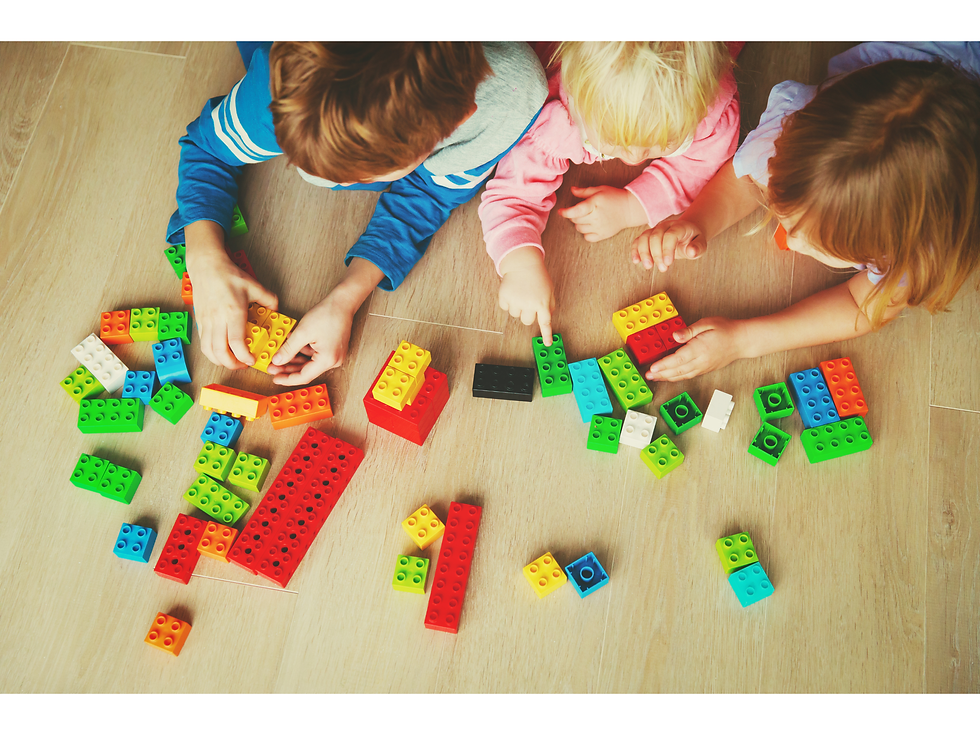
Include hands-on activities like building models, sorting objects, or acting out scenarios.
Connect lessons to real-world applications. For example, use cooking to teach measurements or gardening to explain plant biology.
Allow breaks for movement during study sessions to help maintain focus.
Example
For a science lesson on plants, let your child plant seeds and observe their growth. This physical involvement makes the learning experience memorable.
Using Learning Styles to Design Instruction, Not Limit It
Learning styles should guide how you teach, not what you teach. The academic goals remain the same for every child. The difference lies in how you deliver the lessons to match your child’s preferred way of learning.
For example, if your child is a visual learner, you might use charts and diagrams to explain math concepts. If they are auditory, you might focus on talking through problems and using stories. If kinesthetic, you might include physical activities or experiments.
This approach helps your child engage more deeply and reduces resistance to learning.
How Parents Can Use Learning Styles Effectively
Parents who understand learning styles can:
Plan lessons with intention by choosing methods that fit their child’s style.
Select activities that match cognitive needs, making learning more natural.
Assess learning more accurately by recognizing how their child shows understanding.
Practical Tips for Parents
Observe how your child prefers to learn. Do they ask to see pictures, listen to explanations, or move around while studying?
Mix different teaching methods but emphasize the style that works best.
Use the learning style as a starting point, not a strict rule. Children can benefit from multiple approaches.
Encourage your child to express how they learn best and involve them in planning study sessions.
Why Learning Styles Matter Beyond School
Understanding learning styles is not just about homework or tests. It builds a foundation for lifelong learning. When children know how they learn best, they gain confidence and independence. They can adapt to new challenges and find strategies that work for them in any situation.
This knowledge also helps parents and educators create supportive environments where children feel understood and motivated.



Comments